Confidential Business Information: Sharing with Employees
Protecting your business’s confidential information is critical, especially when sharing sensitive data with employees. In Indonesia, companies must take specific steps to ensure that their proprietary information remains secure while being accessible to the employees who need it. This blog outlines best practices for sharing confidential information and the importance of implementing a comprehensive Employee Confidentiality Agreement to safeguard your business interests.
Why Confidentiality Matters in Business
In today’s competitive business environment, maintaining the confidentiality of your business’s sensitive information is essential. Confidential information can include trade secrets, financial data, client lists, and proprietary processes. If such information is leaked or misused, it can lead to significant financial losses, damage to your reputation, and loss of competitive advantage. Therefore, it’s imperative to have clear policies and agreements in place to protect this information from unauthorized access or disclosure.
Key Clauses in an Employee Confidentiality Agreement
When drafting an employee confidentiality agreement, several key clauses should be included to ensure comprehensive protection:
1. Definition of Confidential Information: Clearly define what constitutes confidential information in the context of your business. This could include customer data, financial records, product plans, and other sensitive materials.
2. Obligations of the Employee: Specify the employee’s responsibilities in maintaining confidentiality. This should include not disclosing the information to third parties and not using the information for personal gain.
3. Duration of Confidentiality Obligations: Outline how long the confidentiality obligations last. This could extend beyond the period of employment to ensure continued protection after the employee leaves the company.
4. Permitted Disclosures: Define circumstances under which confidential information may be disclosed, such as when required by law or with the company’s explicit consent.
5. Consequences of Breach: Include provisions that detail the consequences of breaching the confidentiality agreement, such as legal action, termination of employment, and financial penalties.
6. Return of Materials: Require that employees return or destroy all confidential materials upon termination of their employment or at the company’s request.
7. Governing Law: Specify the jurisdiction that will govern the agreement, typically the laws of Indonesia, to ensure legal enforceability.
Best Practices for Sharing Confidential Information with Employees
To minimize the risk of information leaks, it’s essential to implement best practices when sharing confidential information with employees:
1. Need-to-Know Basis: Only share confidential information with employees who need it to perform their job duties. Limiting access reduces the risk of unauthorized disclosure.
2. Regular Training: Conduct regular training sessions to educate employees on the importance of confidentiality and the procedures for handling sensitive information.
3. Monitoring and Auditing: Regularly monitor and audit the use of confidential information to ensure compliance with company policies and identify any potential breaches early.
4. Secure Communication Channels: Use secure communication channels when sharing confidential information. This includes encrypted emails, secure file transfer protocols, and password-protected documents.
5. Exit Interviews: Conduct exit interviews to remind departing employees of their confidentiality obligations and retrieve any company property that may contain sensitive information.
 Word Document (.docx)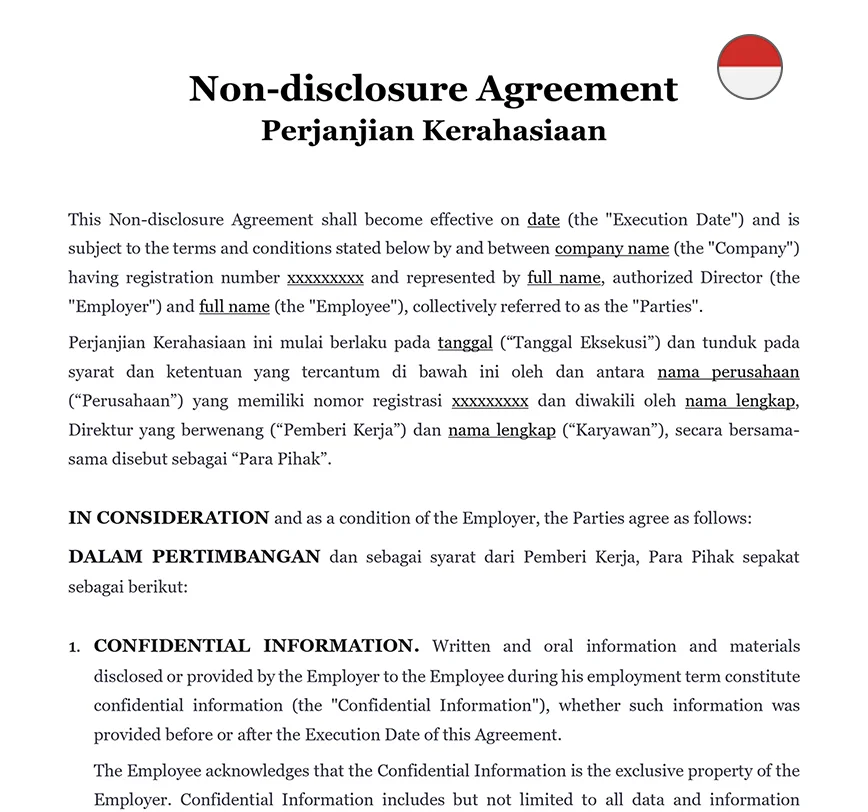
Final Thoughts on Employee Confidentiality Agreements
In conclusion, safeguarding your business’s confidential information is crucial for maintaining your competitive edge and protecting your intellectual property. By implementing a well-drafted Employee Confidentiality Agreement, you can ensure that your employees understand their obligations and the importance of protecting sensitive data. To further strengthen your legal protection, consider complementing your confidentiality agreements with related documents such as the Non-Compete Agreement and Intellectual Property Agreement. Taking these steps will help safeguard your business’s future and foster a culture of trust and responsibility within your organization.
Drafting and Reviewing Confidentiality Agreements
Drafting a comprehensive confidentiality agreement is a critical step in protecting your business’s sensitive information. This agreement should clearly outline all terms of confidentiality, including the definition of confidential information, employee obligations, and the duration of confidentiality obligations. Utilizing a confidentiality agreement template can help ensure that all necessary legal elements are covered. Additionally, having the agreement reviewed by a legal expert specializing in Indonesian law can help ensure that it meets all legal requirements and protects both parties involved. Properly drafted agreements help in mitigating risks and ensuring the protection of your business’s interests.
Completing Your Confidentiality Agreement
Successfully completing a confidentiality agreement in Indonesia involves careful preparation and execution of legal documents. Ensure that all necessary documents, including the Employee Confidentiality Agreement and Intellectual Property Agreement, are accurately prepared and reviewed. Working with experienced professionals and ensuring compliance with all legal requirements will facilitate a smooth and effective confidentiality process. By taking these steps, you can confidently move forward with your business operations in Indonesia, knowing that all legal aspects have been carefully addressed.
Ask your question and receive legal advice from a qualified lawyer
310 client reviews (4.8/5) ⭐⭐⭐⭐⭐